
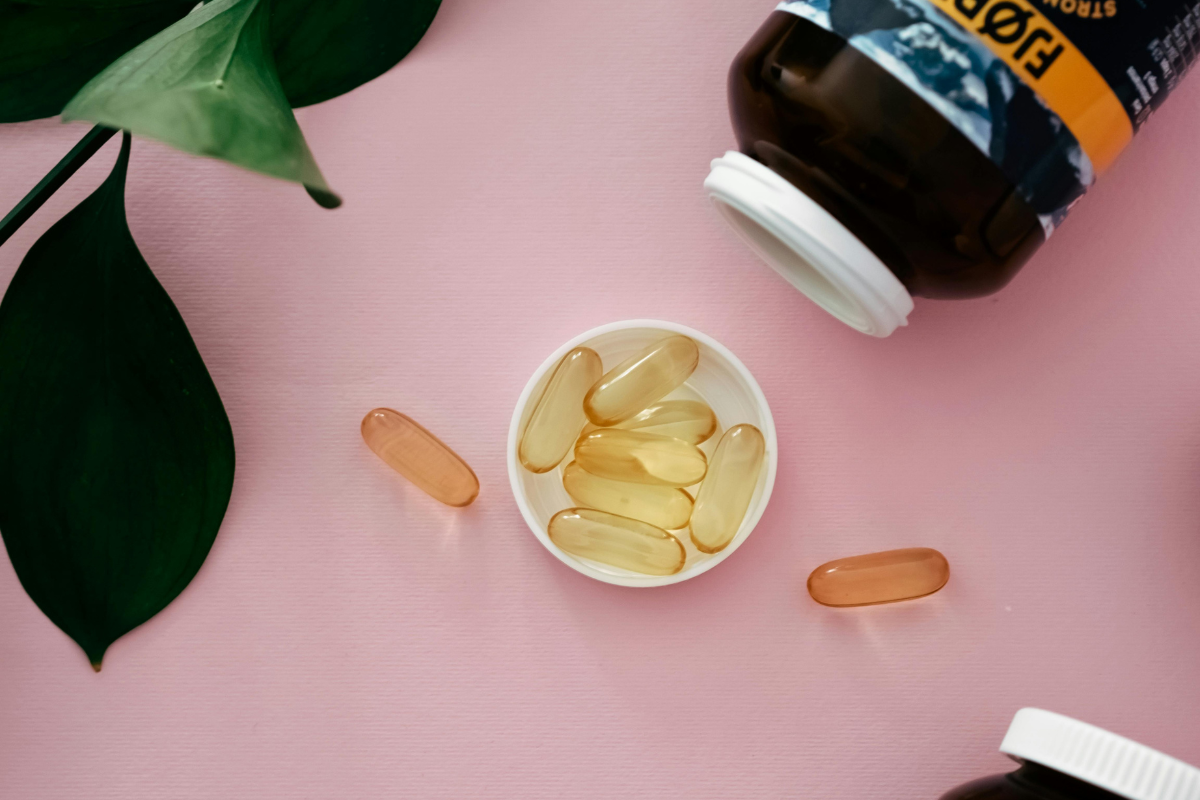
The supplements aisles are full of products aimed at menopausal women. But what ones do you actually need? And what supplements are a waste of money? In this blog, I am outlining the supplements that actually help and why they are essential for menopausal women.
Prefer to watch instead? Here’s the full video:
Menopausal? The Supplements That Actually Help
If you have a cupboard full of supplements you no longer take…
Or you’re taking several but aren’t sure if they’re actually helping…
Or you’re simply looking for extra support for menopause symptoms…
Then this blog is for you.
Everything in terms of menopause support and reducing symptoms comes back to blood sugar balance. So I am going to share with you my foundational must-have supplements for a woman in the peri-to-post menopause years. All of which will help optimise blood sugar and your menopausal experience.
Blood Sugar, Menopause and Foundational Supplements
Before we jump into this blog, it’s important to say that supplements are exactly that, they supplement your diet and lifestyle. You can’t out-supplement a poor diet – so make sure you go back and read the first 3 blogs in the series on blood sugar – the foundation of nutrition in menopause.
Blog 1: Why Your Menopause Diet Isn’t Working (And What to Do Instead)
Blog 2: 3 Simple Nutrition Habits to Support Hormone Balance in Menopause
Blog 3: 3 Mistakes Women Over 40 Make That Wreck Their Hormones
Magnesium and Menopause
The first supplement that is an absolute must-have is magnesium.
Magnesium supports over 400 enzymatic reactions in the body, but when it comes to blood sugar, it’s essential.
Magnesium helps your cells respond to insulin efficiently — which means it plays a key role in maintaining stable blood sugar.
Most women are deficient due to chronic stress and/or gut issues, which can occur during menopause.
In a stressed state, your body struggles to move glucose into the cells, which drives insulin resistance and fat storage, particularly around the waist.
And here’s where menopause makes it harder: most of us are operating in a high‑stress state. In that environment, we burn through magnesium faster, which is why supplementation often becomes non‑negotiable.
I typically use magnesium glycinate for its superior absorption and calming effect on the nervous system, alongside foods like leafy greens, lentils, dark chocolate, and topical magnesium, like magnesium salt baths, in the form of magnesium chloride for additional support.
Probiotics and Menopause
Your gut isn’t just about digestion — it’s a metabolic control centre that communicates directly with your hormones and blood sugar regulation systems.
And here’s what’s important to understand: Gut health affects menopause symptoms — and declining oestrogen, in turn, impacts gut health.
In practice, I often see that stubborn cravings, poor energy, or weight that won’t budge can all be traced back to an imbalanced microbiome. That’s why supporting gut health is non-negotiable for women in midlife.
In clinic, I always assess gut health before making any dietary assumptions — because when the wrong bacteria dominate, they can actually produce compounds that increase insulin resistance.
On the flip side, beneficial bacteria — like Akkermansia muciniphila — help maintain the gut lining, improve insulin sensitivity, and reduce inflammation.
To build microbial diversity, I focus on fermented foods like kefir, sauerkraut, and live yoghurt — and for most women, I also recommend a broad-spectrum probiotic containing Lactobacillus, Bifidobacterium, and prebiotic foods that support Akkermansia, such as polyphenols – with berries, pomegranate extract, and colourful plant foods at the top of the list.
Omega-3 Fatty Acids and Menopause
Next up, and one of my absolute must-haves for hormones generally, is Omega-3s.
These essential fats are critical for managing systemic inflammation, which is one of the most overlooked drivers of insulin resistance and menopausal symptoms.
Modern diets are heavily skewed toward Omega-6s — largely from industrial seed oils that show up in everything from salad dressings to snack foods — and far too low in Omega-3s, which we get from fatty fish, flaxseeds, chia seeds, and walnuts.
What we really need is balance. When the Omega 6:3 ratio tilts too far toward Omega-6, it creates a state of chronic inflammation.
The result? Cell membranes become rigid. And when membranes are stiff, nutrients can’t get in, waste can’t get out, and hormonal messages — like insulin or thyroid signals — can’t be properly received.
This doesn’t just affect hormone and blood sugar balance.
It also disrupts mitochondrial function — the system responsible for producing your energy.
By restoring the right ratio, we reduce inflammation, improve insulin sensitivity, and help your cells actually respond to hormonal signals again.
I recommend prioritising wild-caught oily fish, flax, chia seeds and walnuts — and for most women, a high-quality EPA/DHA supplement to ensure consistent therapeutic levels of omega balance.
Can menopause supplements help with weight gain?
Certain supplements can support metabolic health during menopause, but they’re not a quick fix for weight gain on their own. Weight changes in midlife are often driven by blood sugar imbalance, increased stress hormones and inflammation. Supplements such as magnesium, omega-3 fatty acids and probiotics can help address these underlying factors. Magnesium supports insulin sensitivity and blood sugar regulation, omega-3s reduce inflammation that contributes to metabolic dysfunction, and probiotics support gut health, which plays an important role in metabolism and hormone signalling. When combined with balanced meals and stable blood sugar habits, these supplements can make weight management in menopause much easier.
Menopause Supplements Support the Foundation — They Don’t Replace It
These are the three supplements I consistently recommend in my clinic because they address the core drivers of menopausal symptoms: blood sugar imbalance, inflammation, and stress.
But remember — supplements enhance what you’re already doing.
They don’t replace balanced meals.
They don’t fix chronic stress.
And they can’t override poor sleep.
When you combine solid nutrition, stable blood sugar, and targeted supplementation — that’s when symptoms begin to shift.
If you’re unsure whether blood sugar imbalance is at the root of your symptoms, take my free Hormone Health Quiz below.
In just a couple of minutes, you’ll get clarity on what your body needs most — and where to focus first.
