
Natural Menopause Support for Women Seeking Hormone Balance
Restore balance and regain confidence in menopauseWhen Your Body Feels Like It’s Changed Overnight
Hot flushes
Night sweats
Low libido
Brain fog
Exhaustion
Weight gain that won’t shift.
Menopause can feel like a sudden shift — even though the changes have been building for years.
You may feel disconnected from your body, your energy, and your confidence.
But menopause isn’t the end of hormonal balance.
It’s a new phase that requires a different kind of support.

What Happens to Your Hormones in Menopause?
Menopause marks the end of ovulation and menstrual cycles.
Oestrogen and progesterone levels decline significantly.
Testosterone also decreases.
The stress response becomes more influential.
Blood sugar regulation becomes less stable.
These shifts can contribute to:
- Hot flushes and night sweats
- Sleep disruption
- Mood changes
- Weight redistribution
- Vaginal dryness
- Brain fog
- Fatigue
Menopause is not just about oestrogen. Your nervous system and metabolic health play equally important roles.
It’s about how your entire endocrine system adapts to this new hormonal baseline.
Why Menopause Symptoms Can Feel So Intense
By the time menopause arrives, your body has often been under hormonal strain for years.
Chronic stress, mineral depletion, blood sugar instability, and disrupted sleep can all amplify menopause symptoms.
When the nervous system is already overstretched, hot flushes feel stronger.
When stress hormones are elevated, sleep becomes elusive.
When blood sugar fluctuates, abdominal weight gain can feel more stubborn and harder to shift.
Supporting the whole system helps create stability — even during this transition.

My Approach to Natural Menopause Support
Menopause is a natural transition — but that doesn’t mean you have to struggle through it.
Rather than suppressing symptoms or “pushing through,” my approach focuses on understanding how your body is adapting — and where it needs support.
We begin by exploring:
- Your hormone history
- Stress resilience
- Sleep quality
- Metabolic patterns
- Digestive health
Because menopause affects far more than just oestrogen levels.
To gain deeper insight, I use Hair Tissue Mineral Analysis (HTMA) to assess adrenal function, thyroid balance, and metabolic health — all of which influence how intensely symptoms are experienced.
From there, your personalised plan may include:
- Homeopathy
- Targeted nutrition
- Nervous system regulation
- Blood sugar stabilisation
- Mineral rebalancing
This isn’t about fighting menopause or trying to “fix” your body.
It’s about supporting your physiology so you can move through this stage with greater energy, clarity, and confidence.
Who Is Natural Menopause Support For?
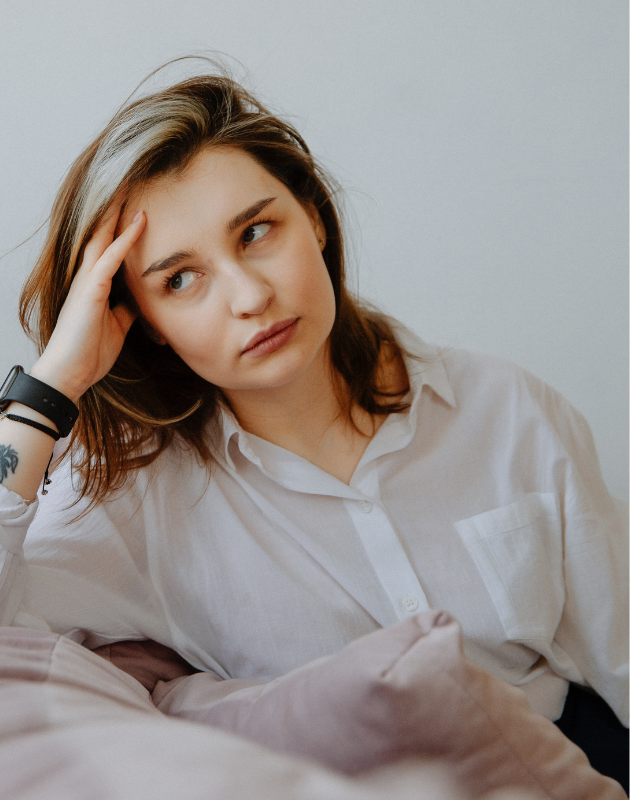
This support may be right for you if:
- You’re experiencing persistent hot flushes or night sweats
- Your mood feels all over the place
- You are struggling with sleep or energy issues
- Weight gain feels unexplained
- You feel more anxious, flat, or irritable
- You want natural support alongside or before considering HRT
Considering HRT?
Some women choose HRT. Others prefer natural support. Some use both.
My role is not to oppose medical treatment — but to help you understand your options and support your body holistically.
Ready to Restore Balance?
Menopause doesn’t mean losing yourself.
With the right support, you can feel clear, energised, and confident in your body again.
Menopause Support FAQs
What are the most common symptoms of menopause?
Menopause symptoms can vary widely – sometimes in ways women don’t expect, from burning mouth syndrome to frozen shoulder.
The most common experiences include hot flushes, disrupted sleep, low mood, anxiety, brain fog, fatigue, reduced libido, and weight gain, particularly around the abdomen.
These symptoms are not just caused by declining oestrogen. Changes in stress resilience, blood sugar regulation, and overall hormone balance also play a significant role in how menopause is experienced.
Is menopause just caused by low oestrogen?
No. While oestrogen declines during menopause, it is not the only factor driving symptoms.
At this stage, changes in adrenal function, stress tolerance, metabolic health, and mineral balance can have a significant impact on sleep, mood, energy, and weight regulation.
This is why a broader, whole-body approach is often needed to support menopause effectively.
Why am I gaining weight around my middle during menopause?
Hormonal changes during menopause can affect how your body regulates blood sugar, stores fat, and responds to stress.
As oestrogen declines, the body may become more sensitive to cortisol and blood sugar fluctuations, which can contribute to increased abdominal fat storage.
Supporting metabolic balance and stress resilience can help stabilise these patterns.
Why do I feel so different during menopause?
Many women describe feeling unlike themselves during menopause.
This is often due to a combination of hormonal shifts, disrupted sleep, increased stress sensitivity, and changes in brain chemistry.
When the nervous system is under strain and hormone patterns shift, it can affect mood, confidence, energy, and overall wellbeing.
Supporting the whole system—not just hormone levels—can help restore a greater sense of stability.
Can homeopathic remedies help with menopause symptoms?
Yes — when prescribed individually, homeopathic remedies can play a valuable role in supporting menopause symptoms.
Unlike over-the-counter approaches, homeopathy is not based on a one-size-fits-all solution. Remedies are selected based on your specific symptom pattern, emotional state, and overall health picture.
During menopause, symptoms such as sleep disruption, anxiety, low mood, fatigue, and hot flushes are often influenced by changes in the nervous system, stress response, and hormone balance. Homeopathic remedies are used to gently support these underlying patterns, helping the body regain stability.
As part of a personalised approach, homeopathy can work alongside nutritional and lifestyle support — and can also be used alongside conventional treatments where appropriate.
The aim is not to suppress symptoms, but to support your body in functioning more steadily and comfortably through this transition.
Do I need HRT during menopause?
HRT can be helpful for some women, but it is not the only option.
The decision to use HRT is individual and depends on your symptoms, medical history, and preferences.
Natural support can be used alongside HRT or as an alternative approach, depending on what feels right for you.
Why do you use mineral testing (HTMA) for menopause support?
Hair Tissue Mineral Analysis (HTMA) provides insight into how your body is managing stress, energy production, and metabolic balance.
During menopause, these systems often become more sensitive, and mineral imbalances can contribute to symptoms such as fatigue, poor sleep, mood changes, and weight gain.
Understanding your mineral patterns allows for more targeted, personalised support.
Natural Menopause Support: Read This Next

Why Menopause Metabolism Slows After 40 (and what helps)
If you are struggling with menopausal weight gain or weight loss resistance, then this blog is for you. Find out why menopause metabolism slows after 40 and what you can do to fix it. Prefer to watch instead? Here’s the full video:...

Natural Remedies for Anxiety in Menopause
Anxiety in perimenopause and menopause is something I see regularly in my clinic, and I understand how debilitating it can be because I have struggled with anxiety myself. And whilst common, it doesn’t have to be your new normal. In this blog, I will share...

8 Tips to Boost Libido in Menopause
There are 2 things that I talk about all day every day - one is menopausal weight gain and the other is low libido and the two can be connected in that if you are not feeling confident, or are feeling uncomfortable in your body, that is going to affect how you...